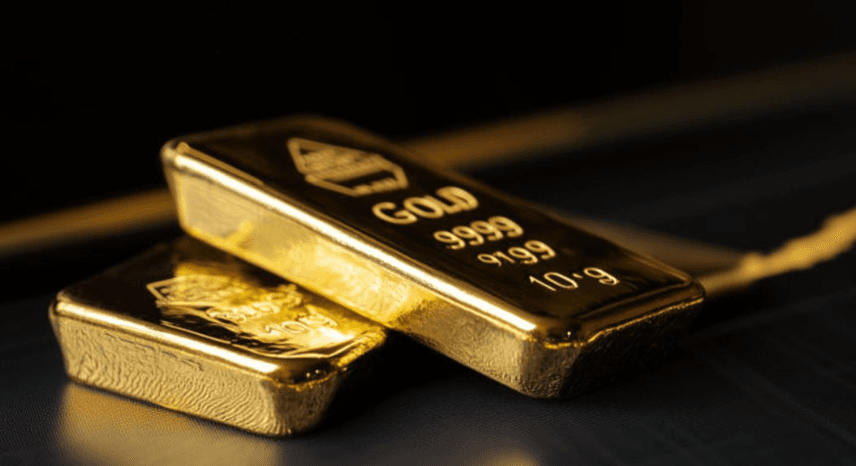
Historical Price Performance of Gold
A Legacy of Enduring Value
Gold’s price history reflects more than market movements — it tells the story of wealth preservation across centuries, economic cycles, and shifting monetary systems. From its role as the foundation of global currencies to its modern status as a premier safe-haven asset, gold has consistently demonstrated resilience and long-term appreciation.
Timeless Appreciation Across Generations
For much of the 19th and early 20th centuries, gold prices remained relatively stable under the gold standard, reinforcing confidence in currencies and facilitating global trade. This era laid the foundation for gold’s reputation as the ultimate monetary anchor.
The dismantling of the Bretton Woods system in the early 1970s marked a defining shift. As currencies moved away from gold backing, prices began reflecting true market demand — accelerating during periods of inflation, monetary expansion, and geopolitical uncertainty.
Gold’s historic rise during the late 1970s, followed by renewed strength during the global financial crisis of 2008 and the pandemic era of 2020, underscores its ability to protect and grow wealth during times of stress.
By 2023, gold reached an average price of $1,934.86 per ounce, reaffirming its position as a strategic asset for long-term capital preservation.
A Strategic Asset for the Discerning Investor
Gold’s historical performance illustrates a clear pattern: while short-term fluctuations are inevitable, its long-term trajectory reflects sustained appreciation and enduring demand.
For investors seeking stability, discretion, and legacy preservation — particularly within the UAE’s globally respected gold ecosystem — gold remains a timeless store of value.
At Gold Vault Dubai, we view gold not merely as a commodity, but as a cornerstone of sophisticated wealth strategy.